
This project represents a high-scale transition from traditional commercial photography to an automated, AI-driven visual production pipeline. By leveraging ComfyUI and the Nano Banana model, the workflow effectively eliminated the logistical bottleneck of physical hair styling and multi-session photography.
1. Project Overview
The client required a comprehensive visual catalog for a hair product line. The scope was massive: 8 product types (including complex styles like Balayage and Ombre), 50 color variations, 5 different hair lengths, and 5 distinct poses. In a traditional setting, this would require hundreds of hours of manual hair styling, shooting, and retouching.
2. Initial Challenge
The primary pain point was the combinatorial explosion of the requirements.
The Math: 8 styles × 50 colors × 5 lengths × 5 poses = 10,000 unique assets.
Logistics: Physical photography for 10,000 variations is practically impossible for most budgets. It would require dozens of models (or expensive wigs), hundreds of hours in the stylist’s chair, and a massive post-production team to ensure color consistency across shots.
Baseline Timeline: A project of this scale would typically take 6–12 months to execute traditionally, with a budget likely exceeding six figures.
3. AI Solution
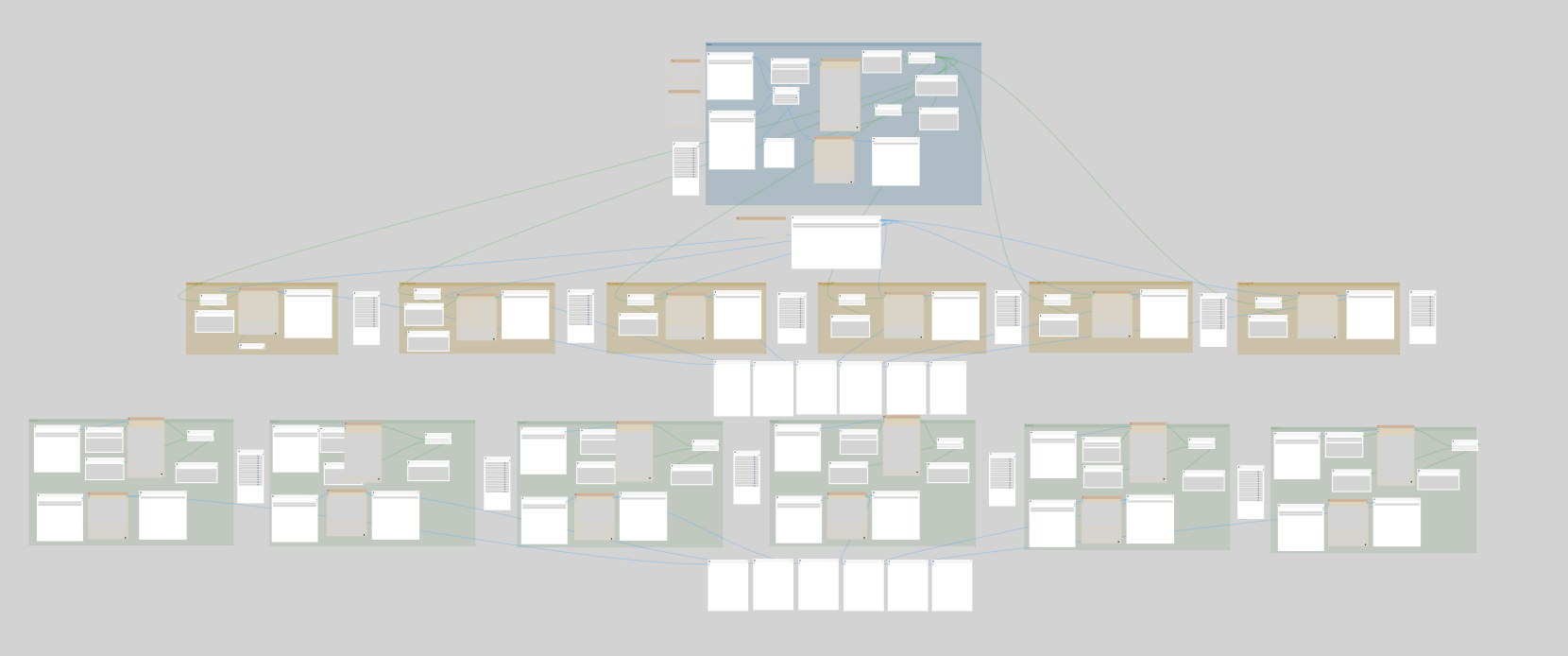
We developed a custom automation pipeline using ComfyUI that transformed a single “Hero” model image into a full spectrum of variations.
Color Mapping: Instead of manual recoloring, the system used reference samples to “apply” hex-accurate colors to the model’s hair.
Dynamic Styling: The workflow procedurally adjusted hair length and applied complex patterns like Balayage and Ombre while maintaining the model’s identity and lighting consistency.
Automated Posing: By integrating API calls, we generated 5 distinct poses for every color/length combination, ensuring the catalog felt dynamic rather than static.
4. Implementation Details
Core Model: Nano Banana (via API) for high-fidelity texture and realistic hair rendering.
Orchestration: ComfyUI was used to build the logic gates for color application and length modification.
Input: 1 Source model image + 1 color swatch.
Output: High-resolution, commercially ready images in a batch-processing environment.
5. Impact Analysis
The transition from a lens-based workflow to an AI-based generative workflow resulted in exponential gains in both speed and cost-efficiency.
Efficiency Gains
| Metric | Traditional Photography | AI Workflow (Nano Banana) | Improvement |
| Total Assets | 10,000 | 10,000 | — |
| Production Time | ~10–12 Months | ~3–4 Weeks | 12x Faster |
| Estimated Cost | $150,000 – $300,000+ | $5,000 – $15,000* | 95% Reduction |
| Styling Labor | 1,000+ hours (Stylists) | 0 hours | 100% Reduction |
Calculated ROI
Time Saved: Assuming a professional photographer and editor can produce 20 finished “hair-accurate” assets per day, the traditional route would take 500 working days. The AI workflow reduced this to a matter of weeks, saving roughly 4,000+ man-hours.
Consistency: Unlike physical shoots where lighting and hair placement shift, the AI workflow guaranteed 100% consistency in the model’s features and background across all 10,000 frames.
6. Key Takeaways
Scalability: This workflow allows the client to add a 51st color or a 6th length in minutes, rather than booking a new studio session.
Creative Control: We moved from “capturing” reality to “generating” specifications. This ensures the Balayage and Ombre patterns match brand guidelines perfectly every time.
Market Advantage: The client can now launch entire seasonal catalogs in the time it previously took to book a single model.